
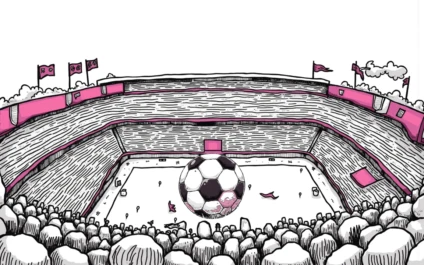


The 23rd edition of the FIFA World Cup has kicked off across Canada, Mexico and the United States - running from 11 June to 19 July 2026. The expanded format from 32 to 48 international teams means more matches and unprecedented global reach across broadcast, digital and social channels.
For brands, it presents a rare, time‑limited marketing opportunity to engage mass audiences around a cultural and sporting moment - the 2022 FIFA World Cup in Qatar saw 5 billion fans engage across all media. It is therefore essential that brands without an official sponsorship arrangement with FIFA make the most of this opportunity without engaging in unlawful ambush marketing.
Ambush Marketing
Ambush marketing is an activity that seeks to associate a brand with an event without authorisation, typically to gain the halo effect of official sponsorship/partnership without paying rights fees to the event organiser. It can take two broad forms:
- Ambush by association, which uses implied references, terminology, imagery or campaigns that suggest a commercial connection or endorsement.
- Ambush by intrusion, which seeks visibility in or around event spaces, stadiums, teams or broadcasts that undermines official exclusivities.
While not every instance of marketing is unlawful, many tactics deployed by brands risk breaching intellectual property, advertising and consumer protection laws, as well as event‑specific restrictions, to try and capitalise on the goodwill and public attention generated by the event without contributing to its funding.
Why it matters
Sports governing bodies like FIFA and the International Olympic Committee rely heavily on the sale of exclusive rights, including sponsorship, merchandising and ticketing to fund events. Sponsors pay premiums for category exclusivity (e.g. Lenovo being the Official Technology Partner and Qatar Airways being the Global Airline Partner of the FIFA World Cup 2026).
Ambush marketing can dilute those rights, reduce sponsor value and erode trust in the rights holder’s ability to protect its key asset. In response, organisers operate aggressive brand protection programmes and pursue swift enforcement.
In the UK, whilst there is no standalone “ambush marketing” statute for the World Cup equivalent to the London Olympic Games and Paralympic Games Act 2006, a robust framework of existing laws can be used to prevent such activities. Enforcement may involve the Trade Marks Act 1994, the Copyright, Designs and Patents Act 1988, the Consumer Protection from Unfair Trading Regulations 2008, and the rules administered by the Advertising Standards Authority (ASA) under the CAP and BCAP Codes. Even where conduct is technically lawful, platforms and partners often also remove non‑compliant content on notice.
What brands can do
Within this landscape, brands can still activate marketing and advertising content effectively and lawfully by planning early and sticking to a clear playbook. For instance, you can:
- run football‑themed campaigns that celebrate the sport or national team participation without implying any official affiliation or endorsement with FIFA or the World Cup;
- use generic football terms and non‑protected descriptors such as “this summer of football” or “celebrating the beautiful game”;
- create content that comments on public moments using original assets;
- buy media (e.g. TV and YouTube adverts) against relevant audiences provided placements do not use FIFA’s protected marks or official designations;
- work with talent, influencers or former players on personal endorsements that avoid suggesting they are speaking on behalf of FIFA or national teams; and
- reference the World Cup using factual, non‑proprietary information that is in the public domain, such as match results or fixtures (provided you do not reproduce protected graphics, logos or proprietary data presentations or create a misleading impression of sponsorship).
What brands cannot do
It can, however, be easy to fall foul of the strict restrictions and be tempting to associate your brand with the World Cup to benefit from the marketing opportunity presented by its global popularity. Brands must therefore be careful not to:
- use FIFA or World Cup word marks, logos, emblems, mascots, official slogans, look‑and‑feel or trophy imagery without FIFA’s authorisation;
- reproduce or repurpose any FIFA broadcast material without a licence;
- imply official status through phrasing such as “official partner”, “sponsor”, “supplier” or equivalent designations;
- run promotions that create an impression of affiliation, such as ticket giveaways or “win your trip to the World Cup” offers, without FIFA’s permission;
- conduct ambush activity near official stadiums or fan zones (whilst matches are overseas, UK marketing activations which mimic official events risks action); and
- create special edition products or packaging that suggests official licensing or uses protected assets.
Takeaways
The FIFA World Cup 2026 presents enormous potential for brand visibility, but the boundaries of lawful marketing must be respected. You can steer clear of suggesting an official affiliation with FIFA by focusing campaigns on general football enthusiasm and following the below policies will help you do this:
- Audit content from your marketing and advertising teams for any implied association and maintain a content approvals log.
- Clear all terminology, slogans and images against a restricted terms list and maintain distance from protected trade marks (e.g. WORLD CUP 2026, FIFA WORLD CUP, USA 2026, MEXICO 2026, CANADA 2026).
- Use bespoke, football‑generic assets.
- Train teams and influencers on do’s and don’ts.
- Secure early legal review of promotions, prize draws and talent deliverables to ensure compliance.
- Monitor ASA guidance during the tournament window. If in doubt, re‑frame marketing material to celebrate football culture and fan moments without suggesting endorsement from FIFA.
With disciplined planning and precise language, you can ride the World Cup Mexican wave while staying the right side of the white line.
If you are planning to release marketing and advertising content during the World Cup, now is a good time to train the relevant teams within your business and put in place clear rules regarding what they can and can’t do.
Please get in contact with Stobbs if you would like to discuss this further.
Related
Suriname to introduce service marks
- IP Basics
- Trade Marks

Influencer content: The IP rights fashion brands need to secure
- Fashion
- Designs + Copyright
- Commercial Contracts
- Advertising + Marketing
Trade mark protection in disputed territories: Where should you register?
- IP Basics
- Trade Marks
U.S. Congress Contemplating Federal Right of Publicity
- AI
- Look-a-likes
- Celebrity
- Advertising
- Brand Protection
- Advertising + Marketing